
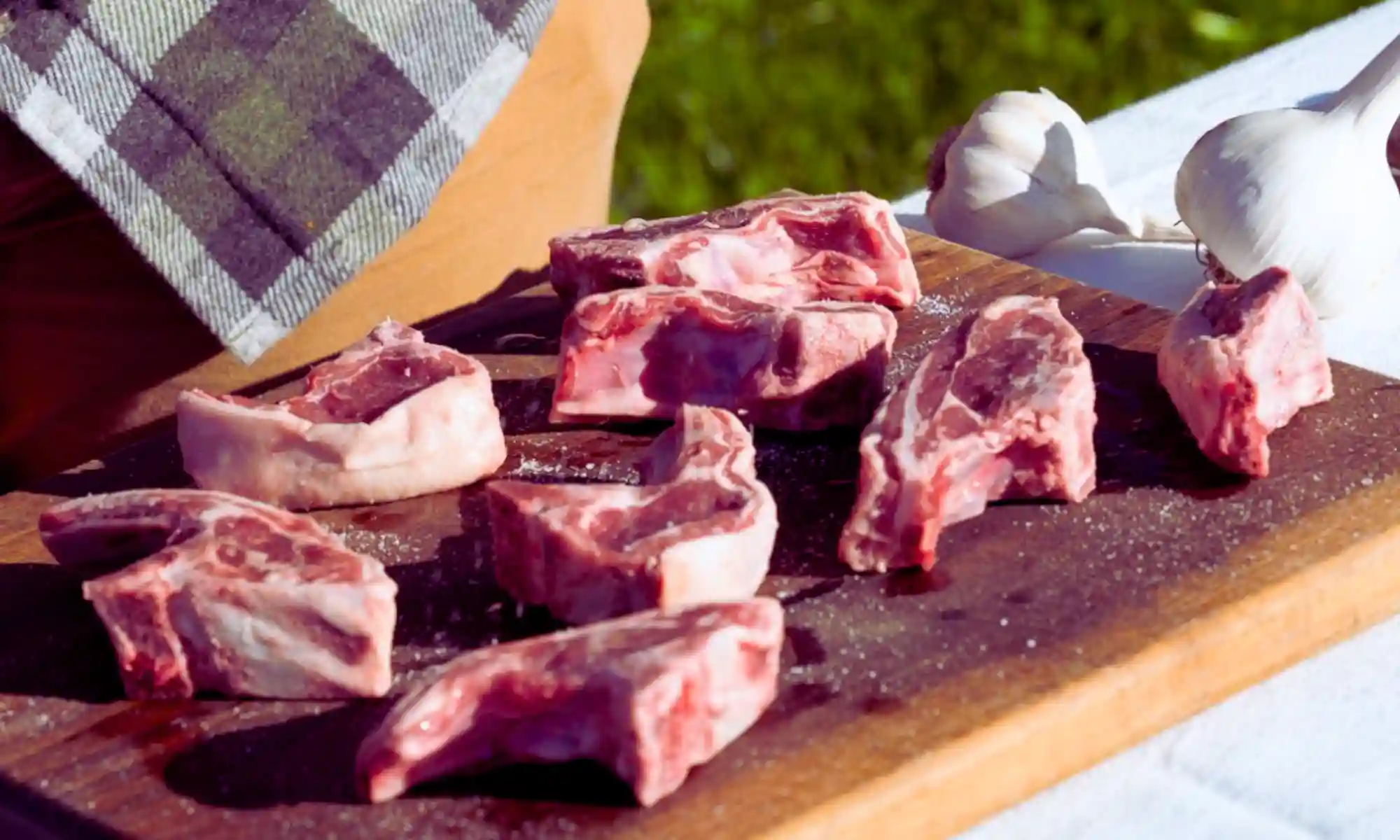
When shopping for sheep meat near Seattle, many people are not completely sure whether they are buying true lamb or meat from an older animal. In the United States, labeling can sometimes create confusion, which makes it harder for families to shop with confidence and understand the real difference in flavor, texture, and quality.
At Carnation Farms, we want to help you understand the essential differences between mutton and lamb. The primary distinction depends entirely on the age of the animal at the time of harvest. We strive to provide transparency and education for our local community with our meats.
High-quality lamb comes from a young sheep that is nine months to one year old, which ensures a mild and tender flavor. In contrast, mutton refers to meat from mature animals aged two to three years. This distinction creates a much bolder and richer taste profile for your culinary creations. When you visit our farmstand, you can feel confident knowing whether you are buying authentic mutton or tender lamb for your next meal.
Key Takeaways
- Animal age is the primary factor that distinguishes these two types of meat.
- Market mislabeling in the United States often confuses many everyday consumers.
- Flavor profiles range from mild and delicate to robust and gamey.
- Sourcing from local farms like Carnation Farms ensures transparency and quality.
Understanding Sheep Meat: A Brief Overview

A simple sheep meat guide compares lamb and mutton by age, texture, and flavor.
To truly enjoy your next roast, you should understand how the age of the animal defines different types of sheep meat. Sheep meat has served as a staple protein for thousands of years because of its nutritional benefits. In our experience working with local farms in the Snoqualmie Valley, we have learned that proper classification is vital.
Sheep meat encompasses all products derived from domestic sheep, but terminology varies significantly across different global cultures. This often creates confusion for consumers who are looking for specific flavor profiles or textures.
| Category | Animal Age | Meat Texture | Flavor Profile |
|---|---|---|---|
| Lamb | Under 12 Months | Very Tender | Mild and Delicate |
| Mutton | Over 1 Year | Firm and Dense | Bold and Gamey |
Mutton vs Lamb: The Age Difference

Animal age helps explain the key difference between tender lamb and richer mutton.
We understand that the main difference between these meats comes down to one factor: maturity. We find that the age of the animal is the most important part that separates lamb from mutton. This biological timeline affects the fat richness and the overall tenderness of the muscle fibers.
By knowing how many months or years a sheep has lived, we can predict the intensity of its flavor. We use this information to help us choose the right cooking method for every meal we prepare. It ensures that every bite meets our expectations for texture and taste.
What Defines Lamb
True lamb comes from a young sheep that is under one year of age. Because the animal is less than one year old, the meat stays very tender and has a mild flavor. We believe these cuts are perfect for quick grilling or roasting in the oven.
What Defines Mutton
In contrast, mutton comes from an older sheep that is usually between one and three years old. We see that an older sheep provides a much deeper and more complex taste than its younger counterparts.
Many shops sell meat from a sheep that is two years old or more as “lamb” even when it is technically mutton. Understanding this mislabeling can help you better navigate the meat counter at the local grocery store.
Taste and Flavor Profile Differences

Rich sheep meat dishes show how flavor changes between mild lamb and bold mutton.
Selecting the right sheep meat often comes down to your personal preference for richness and intensity. We believe the flavor difference is where most preferences truly diverge, and understanding this helps explain many past dining disappointments. Whether you prefer something subtle or a meat that stands up to heavy spices, the choice matters.
Lamb’s Delicate, Mild Flavor
True lamb features a delicate, mild flavor profile with a subtle sweetness and a clean, grass-fed taste. This unique profile comes from the animal’s youth and natural diet during its early months. Because the animal is young, it has not yet developed the intense fatty deposits found in older sheep.
When you bite into properly prepared meat from a young animal, you’ll notice it is incredibly versatile. It does not have the strong, distinctive gamey flavor that many Americans mistakenly associate with all sheep meat. This mildness allows it to pair wonderfully with simple herbs like rosemary or garlic.
Mutton’s Bold, Gamey Taste
On the other hand, mutton offers a much bolder and more robust taste than younger cuts. As the animal ages, the gamey flavor becomes more pronounced due to a higher concentration of fatty acids. We have found that this intensity can be quite polarizing for those who are unfamiliar with it.
The robust flavor of mutton works beautifully in slow-cooked dishes, stews, and curries. These long cooking methods help soften the bolder notes while breaking down the tougher fibers. If you enjoy a meat that provides a deep, savory experience, this older sheep meat is an excellent choice for hearty meals.
How to Identify True Lamb vs Mutton When Shopping

A clear shopping guide helps compare lamb and mutton by color, bones, fat, texture, and cut.
We want to help you spot the clear signs that distinguish high-quality lamb from mature mutton during your next shopping trip. Understanding these physical traits helps you avoid mislabeling.
Visual Inspection Techniques
Check the color first. Genuine lamb displays a light pink appearance, while older mutton looks deep, dark red. Examine the size of the cuts because young animals are often half the size of older ones.
Larger cuts also feature thicker, denser bones in the rib section. Look at the fat distribution carefully. Younger sheep have a lean outer cap, but older animals show heavy marbling throughout the muscles. Texture is also a key indicator, as younger meat feels noticeably softer when pressed.
Ask Your Butcher
We suggest talking to your local supplier about the origin of the sheep meat. Ask exactly how old the animal was at the time of harvest to confirm its age. A reputable butcher like ours will explain the differences in grading clearly and honestly.
Developing a relationship with your butcher protects you from poor quality. They can provide specific details about the source and the animal’s diet. This transparency ensures you always get a tender and delicious product for your family meals.
| Feature | Lamb Characteristics | Mutton Characteristics |
|---|---|---|
| Meat Color | Light pinkish hue | Deep, dark red |
| Bone Size | Small, thin, and light | Thick, heavy, and dense |
| Fat Profile | Lean with external cap | Heavy marbling throughout |
| Texture | Soft and very tender | Firm and noticeably tough |
| Cut Size | Smaller, delicate portions | Large, substantial portions |
Why Many Americans Think They Dislike Lamb
If you think lamb is too gamey or greasy, you might be surprised by the actual reality. We have discovered that many local families have likely never tasted authentic meat young sheep. Often, the product sold in modern grocery stores as lamb is actually mutton that comes older.
When food comes from older sheep, it develops a much stronger odor and a tougher consistency. In the United States, sheep harvested at twenty-four months are frequently mislabeled despite international standards. We want to help you avoid this classic case of “mutton dressed as lamb” during your next shopping trip.
True meat young sheep is delicate and mild, unlike the heavy characteristics that older sheep typically provide. Once you experience properly sourced cuts, your perspective on this protein will likely change forever.
- Misidentification: Most bad eating experiences involve aged meat rather than genuine young spring cuts.
- Cooking Errors: Grilling or frying aged meat results in an unpleasant, tough, and greasy texture.
- Quality Standards: We focus on educating the community to ensure you receive the tender flavor you expect.
Where to Buy Quality Mutton Near Seattle

Wrapped lamb cuts and fresh sheep meat show the value of buying directly from a local farm.
If you are looking for high-quality sheep meat near Seattle, Carnation Farms offers a more direct, trusted way to buy from the source. Instead of guessing how the animal was raised or whether the labeling is accurate, you can shop with confidence through Carnation Farms online or visit the Farmstand in person to explore what is available from a local farm committed to transparency, stewardship, and quality.
Carnation Farms makes it easier to connect your purchase to the place it came from. Located in the Snoqualmie Valley, the farm gives customers the opportunity to buy premium cuts from a producer that values careful animal raising practices and a stronger connection between local food and local families. For shoppers who care about flavor, sourcing, and trust, buying directly from Carnation Farms is a more meaningful option than relying on a standard grocery case.
Whether you prefer the convenience of ordering online or the experience of shopping at the Carnation Farms Farmstand, you can feel more confident about where your meat comes from and how it was raised. Purchasing directly from Carnation Farms also gives you access to a broader farm experience rooted in regenerative agriculture, local food, and seasonal connection to the land.
For families, home cooks, and local shoppers who want to support a farm with real values behind its products, Carnation Farms stands out as a reliable destination for premium lamb near Seattle. It is not just about finding quality meat. It is about buying from a farm you know, a team you trust, and a place deeply connected to the future of sustainable farming in Washington.
| Sourcing Option | Best For | Level of Transparency |
|---|---|---|
| Local Specialty Butcher | Custom cuts and expert advice | High – more if they’re the rancher |
| Farmers’ Markets | Direct relationship with producers | Excellent – ask questions directly |
| Direct-to-Consumer Farms | Bulk orders and specific ages | Highest – full history available |
Carnation Farms: Your Trusted Local Source for Premium Sheep Meat

Wrapped lamb cuts and fresh sheep meat show the value of buying directly from a local farm.
Understanding the difference between lamb and mutton helps you choose the right meat for your table with more confidence. Lamb comes from a younger sheep and is known for its tender texture, mild flavor, and versatility in everyday cooking. Mutton comes from an older sheep and typically has a deeper, richer taste that works best in slow-cooked dishes and traditional recipes.
At Carnation Farms, we believe great meat starts with honest sourcing, clear labeling, and thoughtful farming practices. That is why we are proud to offer premium lamb raised with care on our historic farm in the Snoqualmie Valley. When you buy from Carnation Farms, you are not just choosing high-quality lamb. You are choosing meat raised with integrity, transparency, and a deeper connection to the land.
Ready to Taste the Difference?
If you want flavorful, locally raised lamb you can feel good about serving, Carnation Farms is here to help. Explore our lamb offerings, learn more about how our animals are raised, and bring home premium cuts from a trusted local farmstand. If you have any questions, connect with our team at (425) 844-3277 or email info@carnationfarms.org.
Mutton vs Lamb Frequently Asked Questions
1. What is the main difference between lamb and mutton?
The main difference between lamb and mutton is the age of the sheep. Lamb comes from a younger sheep and is typically more tender with a milder flavor. Mutton comes from an older sheep and usually has a stronger taste and firmer texture.
2. Why does lamb taste milder than mutton?
Lamb has a milder flavor because it comes from a younger animal with less developed fat and muscle structure. Mutton has had more time to mature, which creates a deeper, more robust flavor.
3. Is lamb or mutton better for everyday cooking?
Lamb is usually the better choice for everyday cooking because it is more tender and cooks well in a wider range of recipes. Chops, roasts, ground lamb, and other cuts can be grilled, roasted, or pan-seared more easily than mutton, which often benefits from longer cooking times.
4. What are the best cooking methods for lamb?
Lamb is excellent for roasting, grilling, pan-searing, and braising, depending on the cut. Tender cuts like lamb chops or loin cook well over higher heat, while larger cuts like shoulder or leg can be roasted slowly for rich flavor and tenderness.
5. What are the best cooking methods for mutton?
Mutton is best for slow cooking methods like braising, stewing, or roasting at a lower temperature. These methods help break down the firmer texture and bring out the meat’s fuller flavor.
6. How can I tell if I am buying high-quality lamb?
Look for lamb that is clearly labeled, fresh-looking, and sourced from a farm or butcher you trust. High-quality lamb should have a clean appearance, good color, and a reputation for careful raising practices. Buying locally can also give you more transparency about how the animal was raised and processed.
7. Why buy local lamb from Carnation Farms?
Buying local lamb from Carnation Farms gives you more confidence in the quality, source, and care behind your food. You know where your meat comes from, how it was raised, and who produced it. It is a more transparent and connected way to buy premium lamb for your family.
Recent Posts
 October 07, 2026
Thanksgiving Catering in Carnation WA: Plan Your Holiday Table
 August 25, 2026
Carnation Farms Opens New Butcher Counter at the Farmstand
