
Explore Current Lamb and Mutton Shares
Buying meat directly from a farm asks you to think a little differently about what goes into your freezer.
At the grocery store, the process is built around individual cuts. You buy chops when you want chops, ground meat when you need ground meat, and a roast for a specific occasion. A lamb or mutton share begins from the other direction. You are purchasing a portion of an animal raised as part of a specific flock, on a specific farm, during a specific season.
That shift opens the door to more than bulk buying. A share introduces your kitchen to a wider range of cuts, encourages you to make use of more of the animal, and gives you greater visibility into where your meat came from and how it was raised.
At Carnation Farms, our sheep are part of a broader regenerative farming system in the Snoqualmie Valley. Our livestock graze certified-organic pasture, and practices such as rotational grazing, cover cropping, livestock integration, and reduced tillage are part of our commitment to caring for the land over the long term.
If you have considered purchasing a lamb or mutton share but are not sure what that actually means for your freezer or your weekly meals, this guide is a good place to start.
Key Takeaways
- A meat share gives you a selection of cuts from one animal rather than purchasing individual cuts separately.
- Our farm offers lamb shares seasonally, while mutton shares are released periodically based on availability.
- A half lamb share is approximately 20 to 25 pounds and can fit in a standard kitchen freezer drawer.
- A whole lamb share is approximately 40 to 50 pounds and packs into roughly the space of a rectangular milk crate.
- Lamb shares can include chops, shoulder roast, leg, shank, ground meat, and bones for stock.
- Cut customization is available for Carnation Farms lamb shares, and organs may be requested when available.
- Buying a share encourages whole-animal cooking and creates a closer connection between your household and the farm raising your food.
What Is a Lamb or Mutton Share?

A meat share provides a variety of cuts from an animal raised directly on the farm.
A meat share allows you to purchase a larger portion of an animal directly from the farm instead of selecting individual packages at a grocery store. That means the purchase represents more than a single premium cut. Your freezer may contain meat for quick dinners, slow weekend cooking, gatherings, stock, and meals you have not learned to make yet.
We view meat shares as a relationship with a specific farm, flock, and harvest. Customers have the opportunity to know what the animals ate, how they were raised, and who cared for them.
That transparency is an important part of the model. It also means availability follows the farm rather than a grocery-store stocking schedule. Lamb shares are offered seasonally, while we release mutton shares periodically.
For current share availability, pricing, deposits, and reservation details, visit our online shop.
What Comes in a Lamb Share?

A lamb share includes a variety of cuts for everyday meals, slow cooking, roasting, and homemade stock.
One of the first questions new share customers ask is simple: What am I actually bringing home? A Carnation Farms lamb share provides a mix of cuts from across the animal. Depending on the cut specifications selected, that can include:
- Lamb chops
- Shoulder roast
- Leg of lamb
- Lamb shanks
- Ground lamb
- Bones for stock
Cut customization is also available. Customers can indicate preferences when reserving a share, such as requesting more ground meat and fewer roasts or choosing bone-in preparations. Liver, heart, and kidneys may also be requested at no additional cost when available.
How Much Freezer Space Does a Lamb Share Need?
You probably do not need the chest freezer you are imagining.
A half lamb share is approximately 20 to 25 pounds and fits comfortably in a standard kitchen freezer drawer. We like to compare its footprint to a large turkey.
A whole lamb share is approximately 40 to 50 pounds. Packed efficiently, it occupies roughly the space of a rectangular milk crate.
That makes a half share particularly approachable for smaller households, first-time customers, or anyone working with limited freezer space. We estimate that a half share of roughly 20 to 25 pounds can provide a household of two to four people with approximately eight to twelve meals, depending on how the different cuts are used. Ground meat can stretch across several dishes, while a whole leg may become the centerpiece of a larger meal.
Before pickup, it helps to reorganize your freezer rather than simply trying to squeeze everything into whatever space happens to be available. Group similar cuts together, keep labels facing outward, and place the cuts you intend to use first where they are easiest to reach.
A Share Gives Different Cuts Different Jobs

Different lamb cuts make a meat share useful for quick meals, slow cooking, group dinners, and homemade stock.
One of the advantages of buying a lamb or mutton share is learning to cook according to the cut rather than relying on the same few pieces of meat.
For Quick Weeknight Meals
Ground meat is the easiest place to start.
Ground lamb can be used in many of the same situations where you might normally reach for ground beef, including burgers, meatballs, sauces, stuffed vegetables, and seasoned skillet meals. These cuts make a meat share practical for ordinary meals rather than something reserved exclusively for special occasions.
For Slow Cooking
Shoulders and shanks reward time.
These cuts work particularly well for braising and slow roasting, where connective tissue has time to soften and the cooking liquid can become part of the final dish. Mutton is also well suited to this style of cooking. Rather than trying to make every cut behave the same way, slower preparations allow the character of the meat to become an advantage.
If you want a detailed explanation of how lamb and mutton themselves differ, we talk about that topic in depth in our Mutton vs. Lamb guide.
For Feeding a Group
A leg of lamb gives you a natural centerpiece for a larger meal. It can be roasted, grilled, or portioned depending on the occasion. Having one already in the freezer also changes the planning equation. Instead of shopping specifically for a holiday or dinner party, you can build the gathering around food you already purchased directly from the farm.
For Stock and Future Meals
Bones are part of the share for a reason.
Turning them into stock lets one part of the animal contribute to several additional meals. That stock can later become the foundation for soup, grains, sauces, or the liquid used to braise another cut from the share. Customers who want to go further can also request organs when available.
From Snoqualmie Valley Pasture to Your Freezer

Sheep graze on certified-organic pasture as part of Carnation Farms’ regenerative farming system.
A meat share becomes more meaningful when you can trace it beyond the package.
Our sheep graze certified-organic pastures in the Snoqualmie Valley, approximately 45 minutes east of Seattle. They are not sent to feedlots or grain-finished. Rotational grazing takes place on our pasture that includes rye grass, clover, winter peas, and triticale. We select pasture crops in part for palatability because what animals eat is one component of the final quality of the meat.
Our flock has included Finn/Romney, Avondale, and Katahdin sheep chosen in part for their ability to thrive in Pacific Northwest conditions.
The handling of the meat also matters. We dry-age our lamb for approximately five to seven days before it is cut and frozen below 0°F. This process is intended to develop tenderness while preserving the fresh qualities of locally raised lamb.
For meat share animals processed on the farm, unnecessary transport is avoided. When animals are processed off-site through USDA-certified facilities, We acclimatize them to trailers beforehand as part of an effort to minimize transportation stress.
These details are difficult to separate from the final product. Our meat shares are not simply a box that appears at the end of the process. The pasture, livestock management, handling, processing, aging, cutting, and freezing are all part of how that box came to exist.
What Regenerative Farming Has to Do With a Meat Share
“Regenerative” has become a familiar word in food marketing, but we take a more practical view of it.
Around the farm, regenerative agriculture has been described as “organic plus.” Organic certification matters, but the work extends to what is being returned to the land and how farming practices function together over time.
Rotational grazing, cover cropping, livestock integration, and reduced tillage are among the practices we use in our commitment to long-term soil health and ecosystem stewardship.
Sheep have a role within that system.
Moving animals through pasture changes where and how they graze. Livestock returns nutrients to the land. Pasture crops support animals while keeping living roots in the soil. Decisions about the flock therefore connect with decisions about fields, crops, soil, and future growing seasons.
We also believe that terms and certifications alone should not be the end of the conversation. Trust comes from showing our customers how the farm operates and being transparent about the practices behind the food.
Buying directly from the farm gives customers more access to that story.
Is a Lamb or Mutton Share Practical for Your Household?

Choosing the right meat share depends on your household size, cooking habits, and freezer space.
A share works best when you choose it according to the way your household already eats and the way you would like to cook more often.
Consider a few practical questions before reserving:
How often do you cook at home?
A household that regularly cooks dinner will work through a share differently from someone who eats out most nights.
How much freezer space do you have?
If one freezer drawer is available, a half lamb share may be the easiest place to start.
Are you open to different cuts?
Part of the value comes from using chops, ground meat, roasts, shanks, bones, and other available cuts rather than purchasing only the most familiar pieces.
Do you enjoy slow cooking as well as quick meals?
A share becomes easier to use when you are comfortable matching cooking methods to different cuts.
Would you rather start smaller?
There is nothing wrong with choosing a half share first. We would rather customers choose an amount that fits their household than purchase more than they can comfortably use.
Are you interested in knowing more about where your meat comes from?
For many customers, this is ultimately what distinguishes a farm share from a bulk grocery purchase.
What Happens After You Reserve a Share?
Exact pricing, deposits, harvest availability, and purchasing terms can change, which is why the individual share pages should always be your source for our current reservation information.
The general process is straightforward.
You reserve an available share through the farm. After harvest and final weight confirmation, customers receive the remaining purchase information. We then provide scheduled pickup windows.
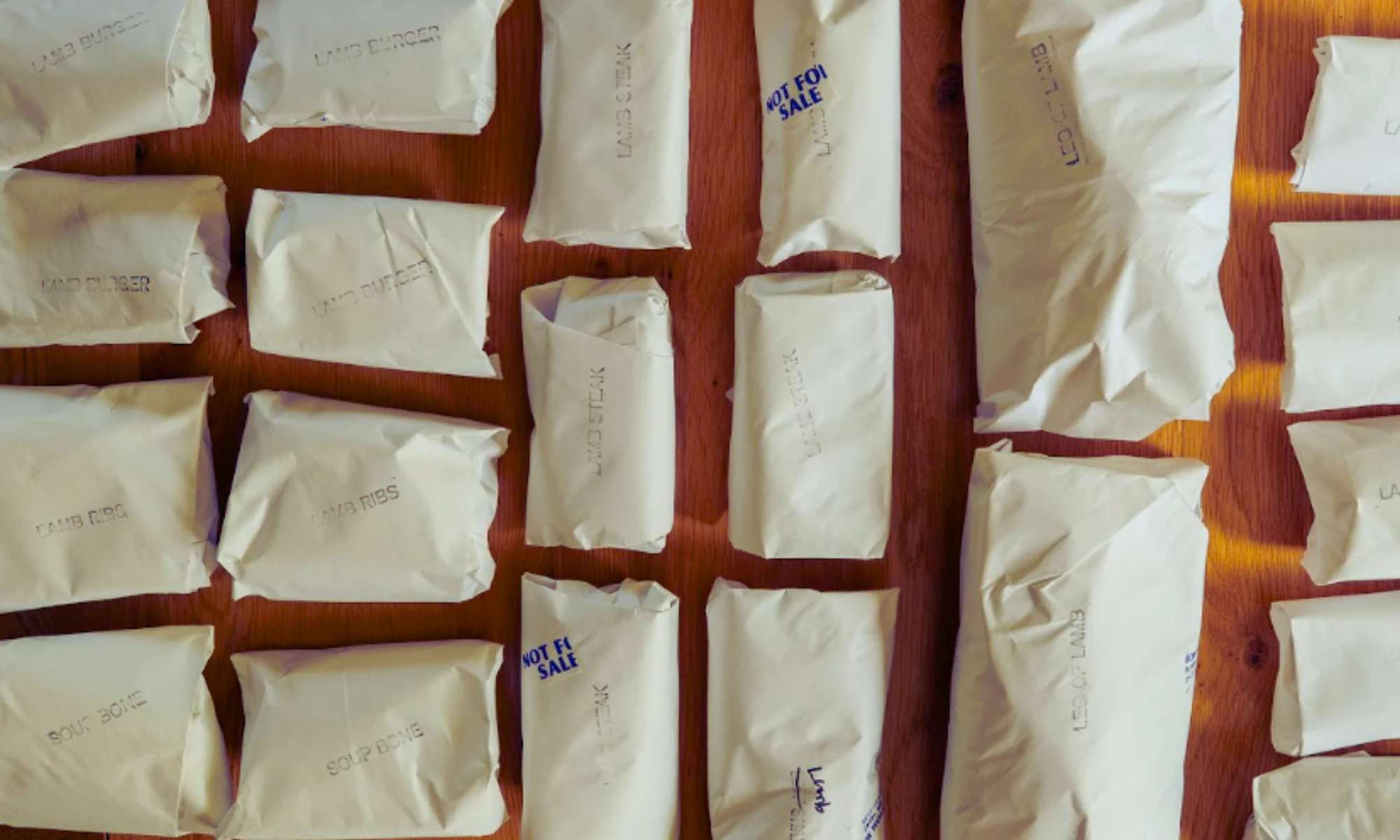
By the time your lamb share is ready to go home, everything is wrapped, frozen, and labeled by cut so you know what is in the package before it enters your freezer.
If you are uncertain about which share size is right for you or how to cook a particular cut, reach out to our team. The Farmstand is also a place to talk through what’s available and get ideas for putting different cuts to use.
Bring Whole Animal Eating Home With Carnation Farms

Packaged lamb cuts make it easier to bring whole-animal eating from the farm to your freezer.
Buying a lamb or mutton share is about more than filling your freezer. It gives your household a wider range of cuts to cook, encourages thoughtful use of the whole animal, and creates a direct connection to the farm, flock, and pasture behind your food.
At Carnation Farms, our sheep graze certified organic pasture as part of a regenerative farming system rooted in long term soil health and responsible land stewardship. Whether you begin with a half lamb share or choose a whole share, you can bring home locally raised meat that fits your freezer, supports the way your household cooks, and reflects a more transparent approach to buying food.
Lamb shares are offered seasonally, while mutton shares are released periodically based on availability. Visit our online farm shop to view current offerings, pricing, deposits, and reservation details.
Frequently Asked Questions About Lamb and Mutton Shares
1. What comes in a Carnation Farms lamb share?
A lamb share can include chops, shoulder roast, leg, shank, ground lamb, and bones for stock. Customers may also request cut customization, and liver, heart, and kidneys may be available for those interested in using more of the animal.
2. How much freezer space do I need for a half lamb share?
A half Carnation Farms lamb share is approximately 20 to 25 pounds and can fit comfortably in a standard kitchen freezer drawer. Its overall footprint is comparable to a large turkey.
3. Do I need a chest freezer for a whole lamb share?
Not necessarily. A whole lamb share is approximately 40 to 50 pounds and, when packed efficiently, takes up about the space of a rectangular milk crate. Measure the available space in your freezer before pickup to determine whether a whole or half share is the better fit.
4. How many meals can I make from a half lamb share?
We estimate that a half share of approximately 20 to 25 pounds can provide a household of two to four people with roughly eight to twelve meals, depending on the cuts and how they are used.
5. Can I customize the cuts in my lamb share?
Yes. We allow customers to note cutting preferences when reserving. For example, you may request more ground meat and fewer roasts or choose bone-in preparations.
6. What if I have never cooked lamb before?
You do not need advanced cooking skills to make good use of a lamb share. Ground lamb works in many dishes where you might otherwise use ground beef, chops can be cooked quickly in a hot pan, and shoulder roast lends itself to slower, largely hands-off cooking. We also maintain a recipe library for additional ideas.
7. Are mutton shares always available at Carnation Farms?
Not always. We release mutton shares periodically, and they may not be available at the same time as lamb shares. Ground sheep may also be available through the Farmstand.
8. How is a farm meat share different from buying lamb at a grocery store?
A farm share gives you a selection of cuts from a specific animal and a direct connection to the farm that raised it. At Carnation Farms, customers can learn about the flock, pasture, grazing practices, handling, and processing behind the meat rather than purchasing an individual cut with limited information about its origin.
9. How long can I keep a lamb share in my freezer?
We recommend planning to use frozen lamb within approximately nine to twelve months for quality. A half share can make the amount particularly manageable for a household of two to four people.
Recent Posts
 October 07, 2026
Thanksgiving Catering in Carnation WA: Plan Your Holiday Table
 August 25, 2026
Carnation Farms Opens New Butcher Counter at the Farmstand
